From the Pyrenees to the Peak District: why Gen Z is heading outdoors
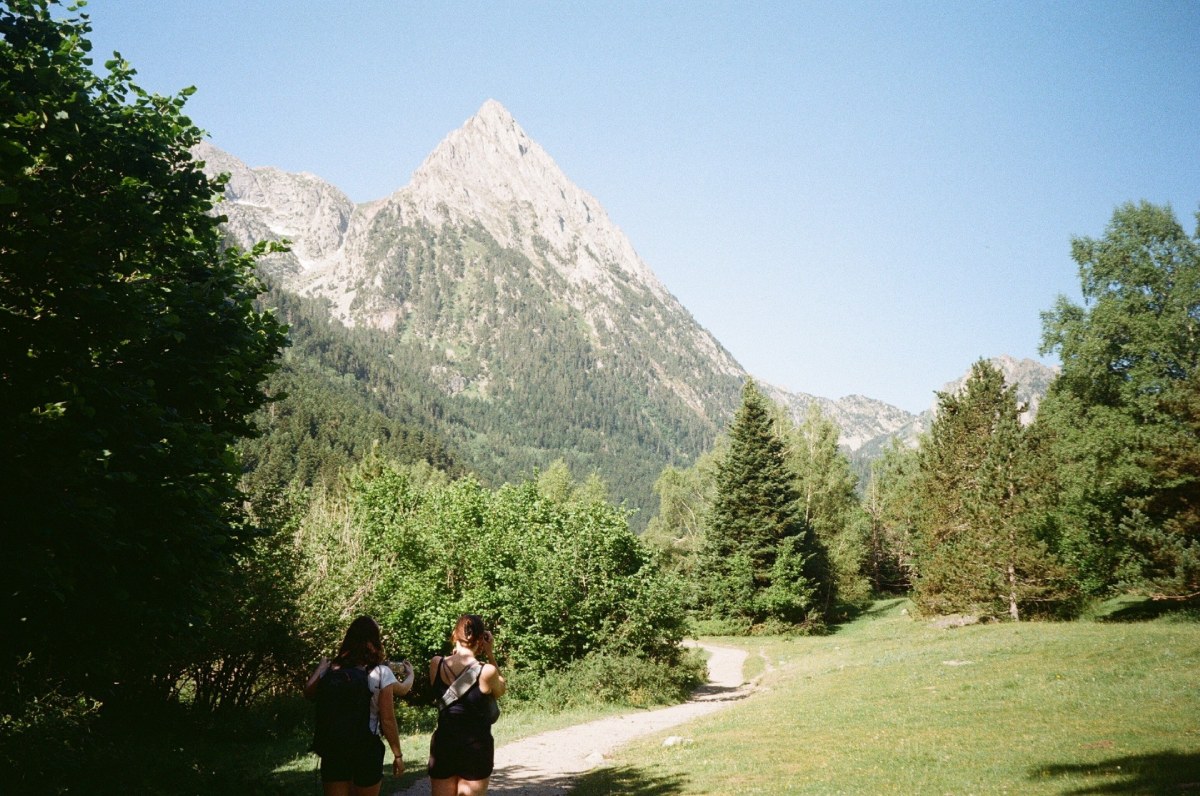
Having recently spent a week in the mountains with my friends, it got me thinking: what has led to us, four 23 year old freshly graduated women spending our summer holiday hiking through the mountains in the Spanish Pyrenees rather than lying on a beach sipping cocktails? When I posed this question to them, the resounding answer was simply that the rise in outdoor activities on social media, particularly hiking, has influenced us to follow what we see others do online. Now, as someone who works in the outdoor industry, and has enjoyed activities such as running and walking for years, this answer left me feeling a bit disappointed; I wanted to think that we were more original than this. However, when thinking deeper, I realised that this isn’t necessarily a negative answer, and actually how amazing it is that social media can have this much force for good.
As I am sure we are all aware, outdoor fitness has well and truly boomed across social media over the past few years, and this only seems to be going up. London Marathon ballot entries have more than doubled in the last two years alone, reaching a staggering 1.3 million applications for the 2027 race, hiking has become so popular that apps such as Strava have reported an increase in hiking groups of up to 6 times, and we are seeing communities gaining the confidence to stand proudly in this space. How this has happened is the golden question, and has this gone further than simply a trend? To gain a deeper understanding, I have been speaking to Luella May, a running creator on a mission to keep the sport fun and encourage more people to get moving, however this looks for them.
The loneliness paradox
When considering why Gen Z in particular are taking so strongly to outdoor fitness there are many points to consider. The first is loneliness. There is a lot of evidence to suggest that this generation is the loneliest and most socially isolated. Whether this is the result of lockdown, or the availability of online connection, social media may be providing social connection without any genuine face-to-face interaction, therefore changing the way people form relationships. I asked Luella whether she agrees that Gen Z are the loneliest generation, as is so commonly said; “I do think there is some truth in that, particularly in terms of increased digital connection but reduced in person interaction. That’s where communities can play a really important role. They create low pressure and structured ways for people to connect in real life, and I think fitness communities in particular are a really positive way to combat loneliness because they combine movement, routine and social interaction all in one space”.
Therefore, perhaps a huge way to reduce loneliness is to find a sustainable way to connect with others, with fitness communities offering the perfect outlet for many. This idyllic combination of social connection, movement and routine that Gen Z have created through hiking groups and run clubs is likely also contributing to the boom in outdoor fitness that we have seen online. Luella has created her own community in the form of her run club, Hot Girls Run, with the intention “to remove pressure around pace or performance and just focus on showing up and moving together, whilst having fun!!” and it has really enhanced the way she interacts with the running community online - “it’s made everything feel more connected and real, and in person it’s been incredible to see friendships form and confidence grow among people who attend regularly”. She is an advocate for communities playing an important role in growing the outdoor fitness boom: “I really do think communities have been a vital part of the growth of outdoor fitness and running. Running in particular can feel quite intimidating at first, so community removes a lot of that pressure! It shifts the focus away from performance and makes it feel much more social, supportive and accessible. I also think social platforms have helped normalise all levels of participation, which has made it easier for people to see themselves in the space and feel like they belong”.
Women in the outdoors: finding belonging
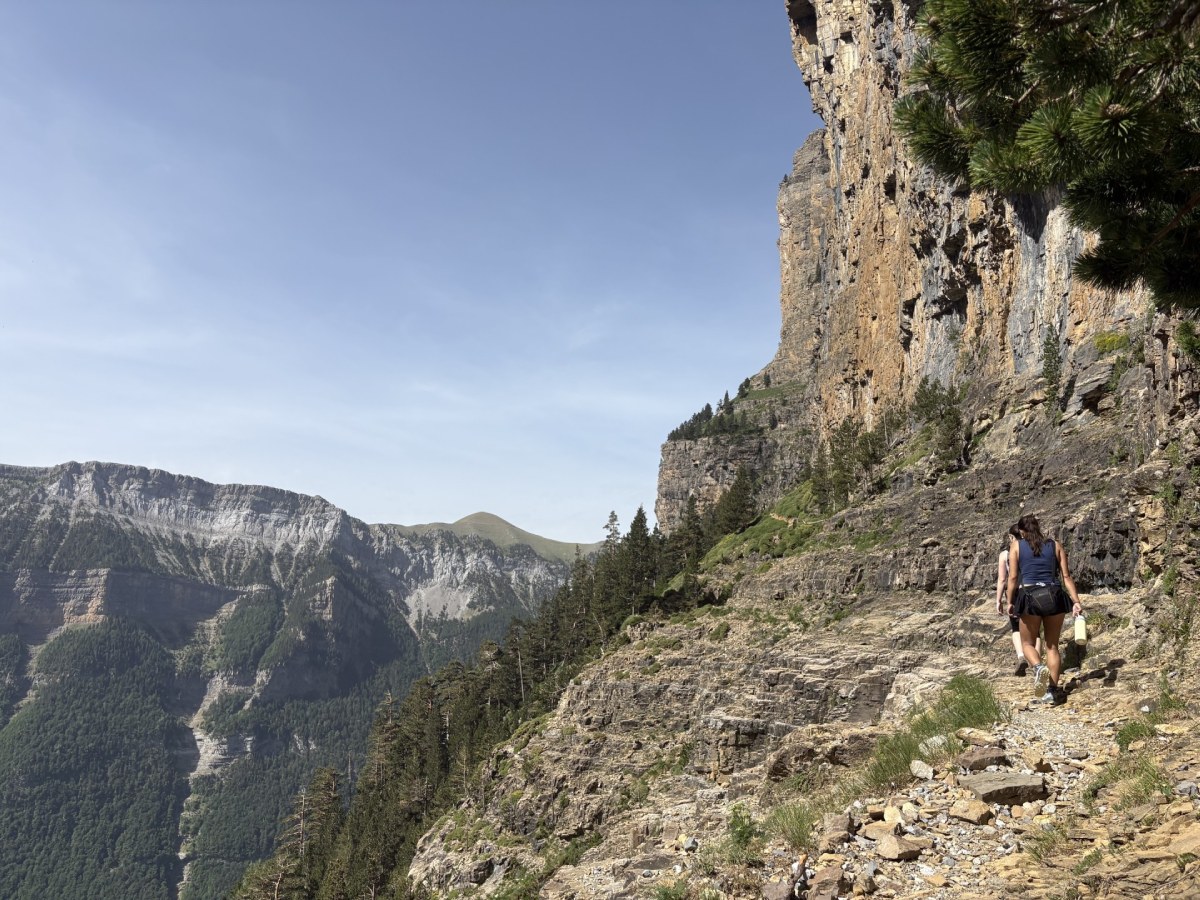
Another huge factor involved in increasing the popularity of outdoor fitness and adding to the online trend is this normalisation at all levels, and I think this has been particularly important for women in the space. For a long time, outdoor fitness has been catered predominantly for men and encouraged this rugged, high intensity, high performance attitude towards the space. However, as activities such as hiking have grown in popularity, there has been a shift towards this being a great form of gentle movement, and a way to enjoy nature and exercise simultaneously, in a calm way. This is something that also resonates with Luella: “I think it’s been one of the most positive shifts in the space. There’s now much more emphasis on movement for mental health, enjoyment and consistency rather than purely performance or aesthetics. Creators normalising slower runs, walk/run methods and just showing up in different ways has made the space feel far more inclusive, and I think that has directly encouraged more women to get outside and stay consistent with movement”.
This growth in women taking to outdoor fitness is something that can clearly be seen across running communities. Women are gaining the confidence to stand in positions that have long been predominantly male places, for example nearly half of the London Marathon ballot entries for the 2027 race were women, an amazing result considering women have only been participating in the marathon distance since the 1960s. I asked Luella what she thought were the driving forces behind women gaining confidence to feel they belong in these environments: “I think a big part of it is the shift in narrative around running more generally - it’s become less about competition and more about wellbeing, consistency and enjoyment. Social media has also played a big role in showing real, relatable journeys, which helps make the space feel more accessible and less intimidating. That combination has really helped more women feel like they belong in these environments”. I also asked her what role she thinks communities, such as run clubs, can play in this: “I think run clubs are really important in opening up the space for young women because they create visibility, structure and safety. For a lot of people, just knowing they’re not the only beginner or the slowest in the group can make a huge difference. That sense of belonging is often what encourages people to keep going!!”.
.jpg)
A space for everyone: the multi-generational angle
This sense of shared space is another great reason why many are taking to the outdoors. Simply being outside is something that is accessible across generations, and therefore provides forms of activity with various entry points, that can be shared across generations. Lotty, Account Director at Aspire, took on the Threshold Sports Race to the Stones 50km challenge alongside her Mum last year. I spoke to her about how this opportunity to take to the outdoors gave the chance to spend some uninterrupted time in nature together: “One of the things I love most about spending time outdoors is that it removes so many of the barriers that can exist with other forms of exercise. My mum and I completed the Race to the Stones together, and it gave us the opportunity to spend hours walking, talking and experiencing something really special side by side, from the training to race day itself. In everyday life it's rare to have that amount of uninterrupted time together. The outdoors has this incredible ability to bring people of all ages together, whether you're chasing a personal best or simply enjoying being in nature, and I think that's a huge part of why it's resonating with so many people right now.”.
When fashion meets fitness
Finally, an important point to consider is how fashion has impacted the rise in outdoor fitness popularity. With gorp core and active wear becoming increasingly popular, this may provide the opportunity for the fitness industry to cater for a wider audience and act as a more open space to many. With this being said, it is worth considering how the two interact and equally how the rise in outdoor fitness also impacts the fashion industry. An interesting example of this is how fitness brands took over Paris Fashion Week. Rather than traditional runway shows, brands such as Nike, Puma and Mizuno offered more experiential events in the form of studio exhibits, café takeovers and run clubs. This highlights how the outdoor fitness industry is changing the ways that brands communicate with their audiences, pushing towards a more personal, community-led approach. It also highlights the growth of the outdoor industry; where fitness brands used to exclusively sell to specialised stores, they are now angling to the widespread, luxury crowd of Fashion Week, offering brands a chance to gain credibility in the fashion space, whilst maintaining their performance reliability. Therefore, this could offer brands a chance to rethink how they interact with their audience, perhaps showing up in community spaces may be more effective than simply advertising to them. This experiential led approach may be more important to a generation interested in making real connections in the outdoor space.
.jpg)
Trend or lifestyle shift?
A final note to consider, with all of that in mind; is the rise in outdoor fitness still simply a trend, or has this gone further to a lifestyle shift and strategy rethink across brands?
Words by Amy Taylor, Account Executive at Aspire.
Mizuno and Threshold Sports are clients of Aspire.
Sources:
1. City AM - London Marathon ballot entries double in two years
2. AOL - Why hiking clubs are quietly becoming the new book clubs
3. London Marathon Events - Record 1.33 million people apply for 2027 TCS London Marathon
4. RunYoung50 - Marathon stories