Why 2026 is the best time to be riding your bike

Discover why cycling might just be the answer for improving health and wellbeing, as well as saving money in 2026.
Right now, everyday life in the UK comes at a cost – financially and mentally. As bills rise and routines feel increasingly stretched, many people are looking for simple ways to regain a sense of control over their time, health, and spending.
With lighter evenings returning and a shift in season with summer sunshine just around the corner, there’s also a sense that people are ready to move more again, to get outside, reset, and break away from the pressures of the day.
One solution might already be built into your routine: the commute. Swapping trains, traffic, or short car journeys for two wheels is a small shift that can deliver big returns, not just for your wallet, but for your wellbeing too. With that in mind, we look at why now is the best time to get out on your bike.

What’s happening right now
Since 2021, the UK has been in a cost-of-living crisis, and today, many households are still battling rising costs across everything from council tax and energy to water bills and their food shopping.
In April this year, the UK government took action to help this burden on families across the country by increasing the National Living Wage, freezing rail fares, increasing the State Pension, and taking an average of £150 off the costs of energy bills.
Due to the US-Israel war in Iran, however, that £150 reduction is being quickly spent, with experts warning that there will be a big energy hike when the next cap is announced in May 2026.
Fuel costs for motorists have also surged with the ongoing volatility in the Middle East, and according to the RAC’s Fuel Watch, fuel prices will only continue to climb. The cost of filling a typical family car with petrol has now gone up by more than £13 – a tank of diesel is even more expensive at £26.
The turmoil across the globe has no guaranteed end, leaving a sense of uncertainty lingering around increasing fuel, diesel, and energy costs.
All this, of course, puts a lot of strain on individuals. So it is not a surprise to hear that thousands of people in the UK experience mental health problems, with mental health charity, Mind, finding that one in four people experience mental health problems of some kind in England, one in five reporting anxiety and depression in any given week. Poor mental health caused by stress also forced one in five workers to take time off work, with those between 18 and 24 taking more time off for the same reason.
But on a positive note, the long British winter has come to an end, and the turn of the season has brought a more positive outlook – most likely thanks to the extra vitamin D over the past few weeks.
With the warmer weather, exercise becomes more accessible, further boosting our feel-good chemicals, dopamine and endorphins. However, the British population – adults and children – is not hitting the full government-recommended levels of activity. Holland and Barrett’s new report, The State of The Nation’s Attitude to Health Report 2026, found that 51% of adults said that getting regular exercise or movement would most help them look after their body better. One of the biggest barriers to moving more, though, was easier ways to incorporate exercise into their daily lives.
And that’s where cycle commuting might just be the simple, cost-effective answer to tackling those issues we all face today.
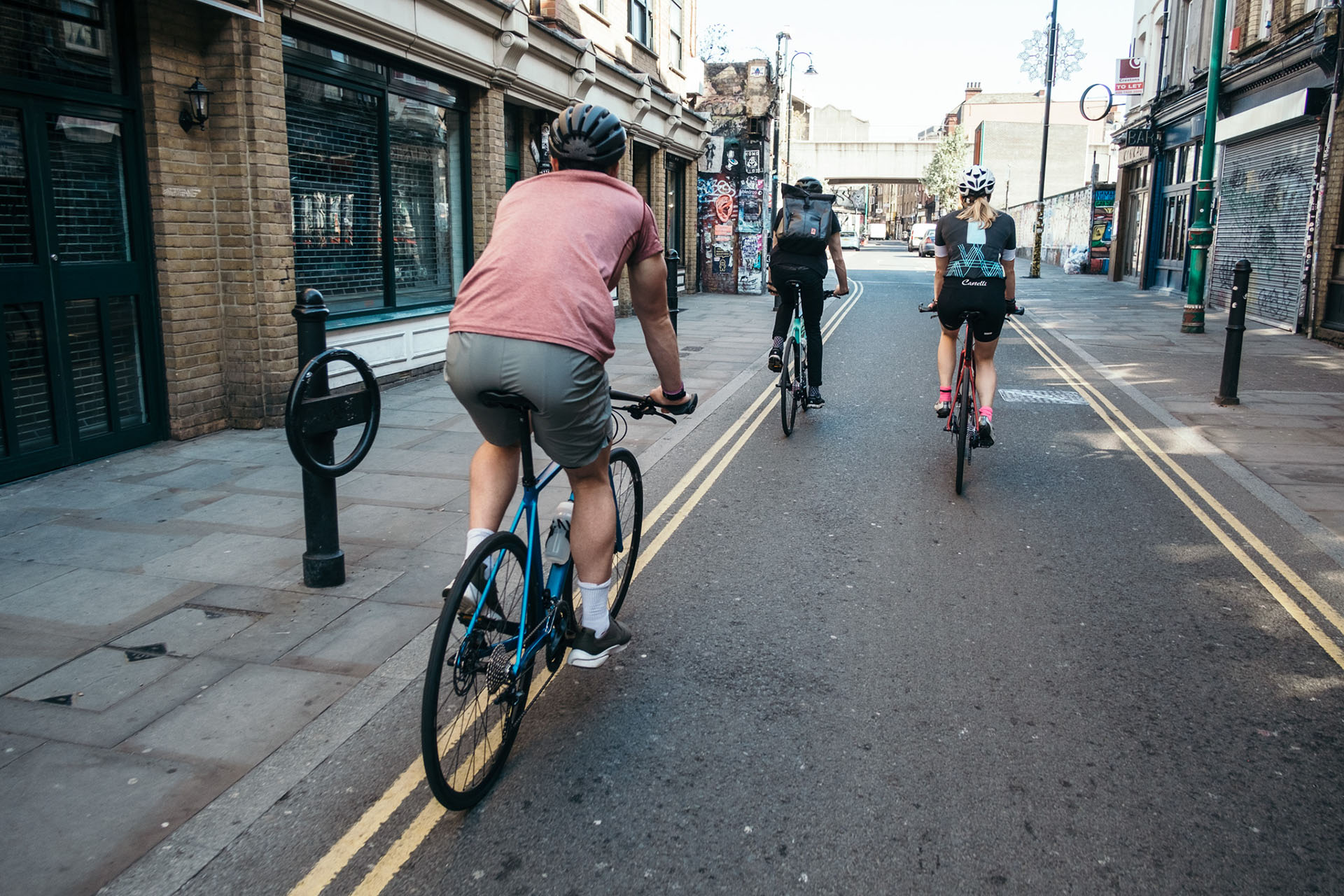
Why you should get on your bike
The decline of active commuting – walking or cycling to work – began in the mid-20th century, as car use increased and urban landscapes evolved around it. However, in recent years, there has been a shift back in the other direction.
According to Pedalsure.com, 2020 marked a turning point for cycling in the UK, while Transport for London reported in 2025 that cycling journeys were up 43% compared to 2019 levels – a clear sign that more people are rethinking how they move around cities.
Cycling has traditionally been seen as a solo activity, but that perception is beginning to change. The rise of cargo bikes, in particular, is encouraging more families to reconsider their reliance on cars. Designed to carry children, shopping, and even pets, they offer a practical and often more enjoyable way to travel together, whether for the school run, errands, or everyday journeys.
Layla Smith, Founder and Managing Director of Aspire PR, swapped her family's second car for an e-cargo bike a few years ago and says it has transformed the way her family moves day-to-day.
“What started as a more scenic nursery run has become our go-to for everything – the weekly food shop, local trips, even getting to Parkrun,” Layla said. “It’s given us a simple way to build movement into everyday life, while also creating space to slow down and enjoy the journey a bit more. Without doubt, it’s been one of the best investments we’ve made as a family.”
The benefits of swapping your usual mode of transport, whether by car or public transport, for a bike are wide-ranging. Not only can it help you avoid rush-hour congestion, but it also offers a more predictable, self-powered way to travel.
For those looking to be more active, cycling is one of the easiest ways to build movement into the day. You’re already travelling to that destination, so using that time to exercise removes one of the biggest barriers people face: lack of time. Depending on factors such as speed and terrain, cycling can burn around 200-300 calories per hour, while remaining a low-impact and accessible form of exercise.
There are also clear long-term health benefits. Research from the Walk Wheel Cycle Trust suggests that cycling helps prevent thousands of long-term health conditions each year, while also reducing pressure on the NHS.
Beyond the physical, cycling can have a powerful impact on mental wellbeing. Time spent outdoors, away from crowded trains or traffic, offers the opportunity to reset, reduce stress, and create a sense of space within the day.
It’s also becoming more accessible than ever. With a growing range of bikes available – from hybrid and commuter bikes to folding, road, gravel, cargo and electric options – cycling can be adapted to suit different lifestyles, distances and confidence levels.
And in a time where money is being squeezed, the cost savings are hard to ignore. According to Cyclescheme, the estimated annual cost of owning a bike ranges from £150–£600 for a standard bike and £200-£700 for an e-bike, with potential savings of £1,100-£2,800 compared to travelling by car or train.

So why ride your bike now?
There are still barriers to cycling, particularly around safety and infrastructure. But where these challenges can be addressed, cycling offers clear benefits, not just for individuals, but for society as a whole.
In a time when both money and mental bandwidth are under pressure, it’s rare to find a solution that tackles both, and even incorporating a short 10-20 minute ride into your daily routine could make a meaningful difference.
Words: India Paine